
Interview
Guest Insight: Why Predictability Breaks Down, and What Leaders Often Overlook – Dan Palmer
Why predictability breaks down — and what leaders often overlook
Digital transformation does not start with technology. It starts with people.
At DIMEA, we believe that every successful transformation begins with understanding. In this guest contribution, Autodesk’s Scott Yoo shares a personal story about how digital change truly happens. His reflections highlight a principle we see in every assessment: technology succeeds only when people share a common purpose, clear expectations, and a path they can follow together.
Scott Yoo is Senior Business Development Executive at Autodesk Global Business Development.
He focuses on helping public owners and infrastructure agencies guide their digital transformation journeys and embed BIM into project requirements.
When I began my career as a design engineer in the nuclear power industry, “digitalization” was not a word we used. We worked with drawings, emails, and binders full of documents. Then one day, the company decided to implement an ERP system. That became my first real experience with digital transformation.
As the system rolled out, it quickly became clear that each team approached the transition differently. Some uploaded only part of their data, others much more. That inconsistency made it difficult for the ERP system to operate as intended. But more importantly, it revealed something deeper: we did not share a common understanding of why we were implementing the system, how the process should work, or what “complete” was supposed to look like.
That experience fundamentally shaped how I view transformation. It taught me that technology alone cannot create change. People need to understand the purpose behind the shift, the process they are expected to follow, and the level of completeness required. And just as importantly, they need someone to guide them through that journey. Someone who can clarify expectations, build alignment, and bring teams along step by step.
Later in my career at Trimble and now Autodesk, whether it was ERP, BIM, or machine control, the same pattern emerged. Technology succeeds only when people understand it and feel included in the process. People do not resist technology. They resist confusion.
Governments around the world are now mandating BIM use in public projects. In Korea, for example, the Ministry of Land, Infrastructure and Transport has required BIM for major projects since 2023.
That is a powerful driver, but mandates usually affect only the top layer of the industry. The real opportunity lies downstream, among the mid-market contractors and project teams who do most of the actual work.
If we want digital transformation to be more than compliance, we need to help those teams understand why it matters. Not just that it is required, but how it improves their work and reduces uncertainty in their day-to-day operations.
In my view, successful transformation starts with identifying one concrete pain point and fixing it. Do not try to digitalize everything at once. Start small, achieve a visible success, and build confidence from there.
Because when people experience real improvement such as less rework, faster decisions, or clearer data, they become your strongest advocates for change.
Digital workflows only deliver value when owners, contractors, and partners are connected through trust, not just technology. That is what I call connected understanding.
And this, ultimately, is what digital transformation should mean: a shared language that helps us work better together.
Scott’s story reminds us that transformation does not happen in PowerPoint slides. It happens on job sites, in conversations, and in small wins that build trust. At DIMEA, we share this philosophy. Start small, measure the results, learn quickly, and scale what works.
Why predictability breaks down — and what leaders often overlook
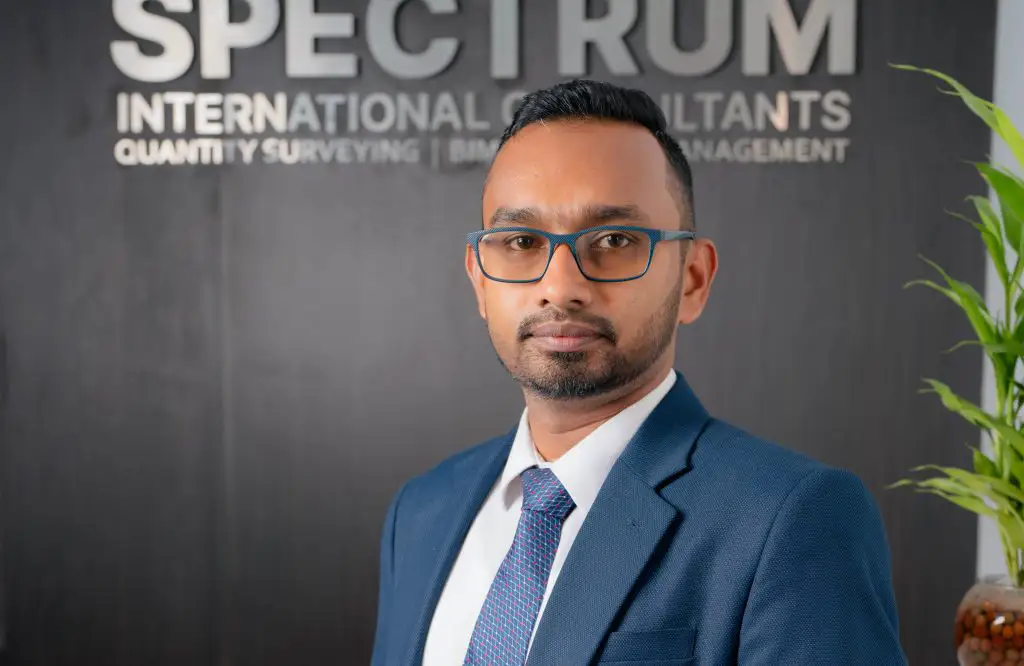
An expert perspective on why successful digital transformation depends on leadership, processes, and shared understanding.
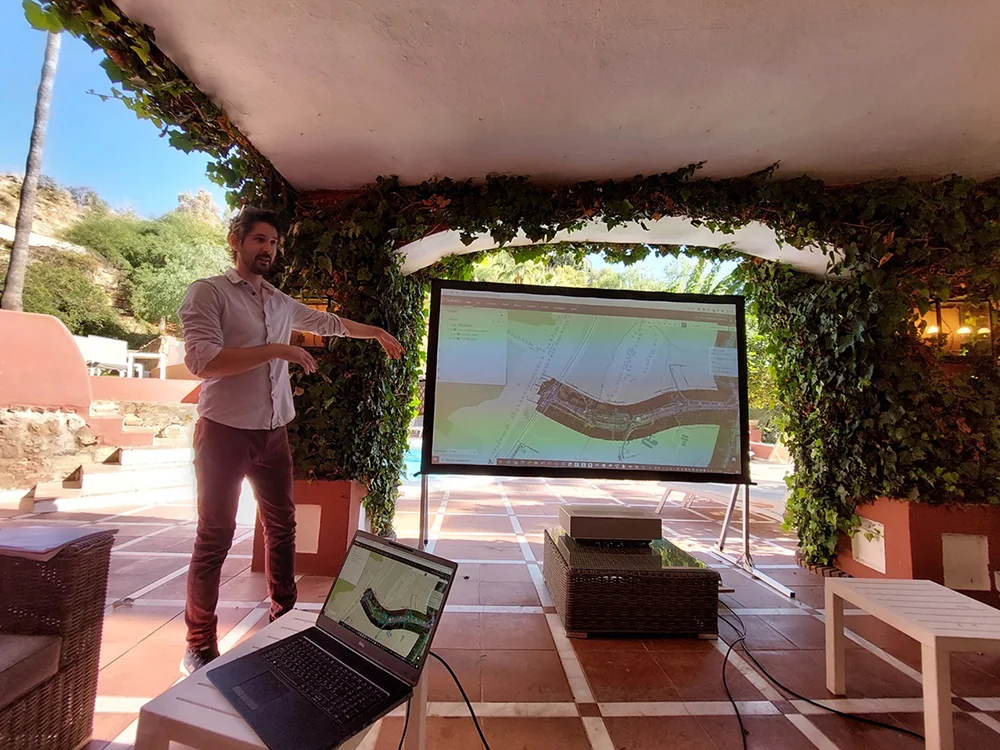
At DIMEA, we believe the most valuable stories come from the people who are making change happen in practice. This is why we are proud to share the perspective of Dávid Kathy, BIM Manager at Colas Hungary.